Landscapes of Freedom: The Lens of Frances Benjamin Johnston
Image
Landscapes of Freedom: The Lens of Frances Benjamin Johnston
Gallery Talk
Mon, Nov 2, 5PM
Campbell East Wing Gallery
Exhibition
Mon, Oct 26 – Sun, Nov 22
Campbell East Wing Gallery
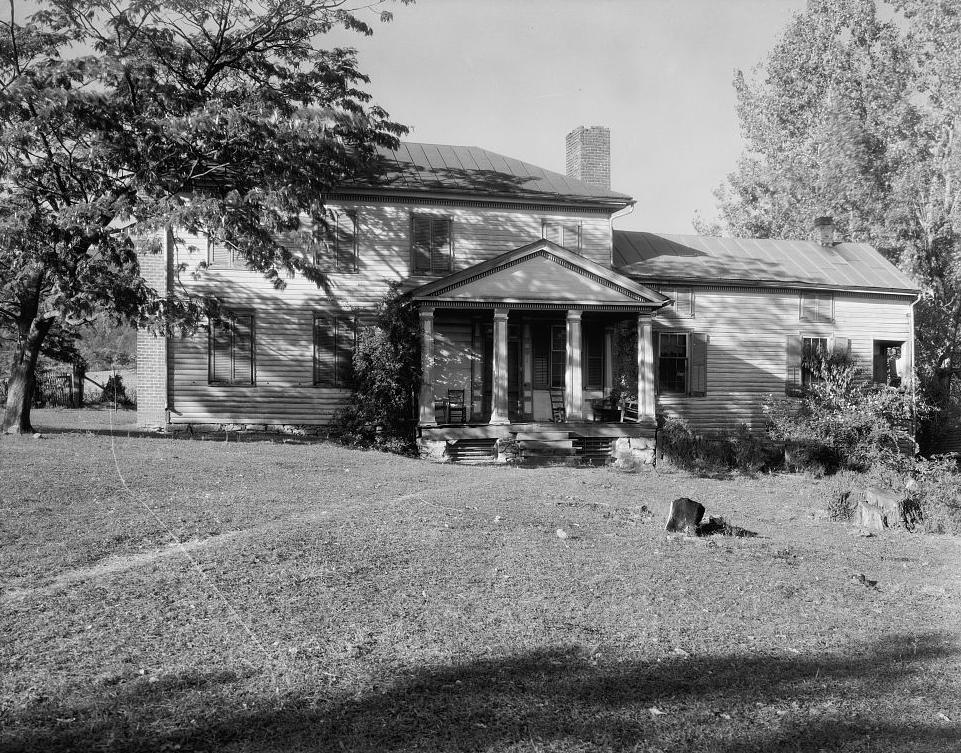
Drawing from the 1930s Carnegie Survey of the Architecture of the South and the photography of Frances Benjamin Johnston (1864–1952), this exhibition and gallery talk explore the history and legacy of Brown's Cove, Virginia, an Albemarle County Community where formerly Enslaved families established thriving Freetowns. Join Chair of Urban + Environmental Planning Suzanne Morse Moomaw and Professor Emeritus of Architecture Kenneth Edward Lay for a conversation about how Frances Benjamin Johnston's photographs help us better understand Brown's Cove and the community that shaped it.
Exhibition Curators
Suzanne Morse Moomaw
Holden Loder (BSArch '26)
About the Photographer
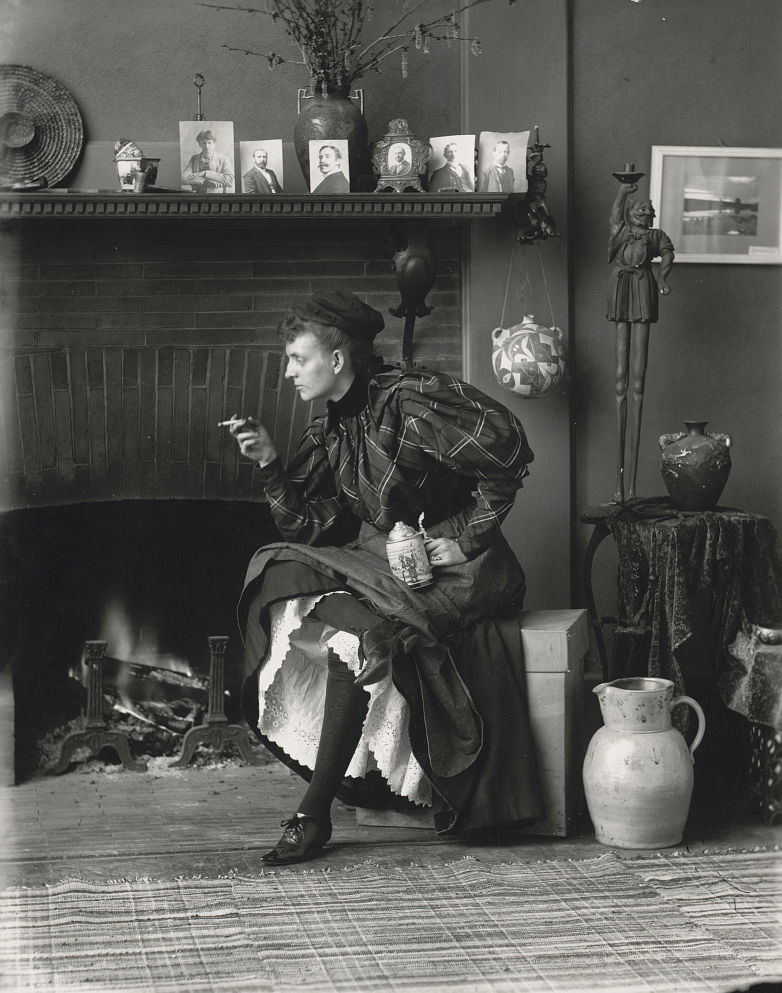
Self-Portrait by Frances Benjamin Johnston, 1896. Library of Congress, Prints & Photographs Division, Frances Benjamin Johnston Collection, [LOT 11734-1], http://www.loc.gov/pictures/item/98502934/
Frances Benjamin Johnston (1864–1952) was one of the first American women to achieve prominence as a photographer. Trained at the Académie Julian in Paris, she studied photography upon her return to Washington, D.C., in the mid-1880s and opened a professional studio circa 1890. Her family's social position gave Johnston access to the First Family and leading Washington political figures and launched her career as a photojournalist and portrait photographer. Johnston turned to garden and estate photography in the 1910s.
Decades later, Johnston created a systematic record of early American buildings and gardens called the Carnegie Survey of the Architecture of the South (CSAS). This collection, created primarily in the 1930s, provides more than 7,100 images showing an estimated 1,700 structures and sites in rural and urban areas of Virginia, Maryland, North Carolina, South Carolina, Georgia, Alabama, and Louisiana, and to a lesser extent Florida, Mississippi, and West Virginia. Johnston’s interest in both vernacular and high style structures resulted in vivid portrayals of the exteriors and interiors of houses, mills, and churches as well as mansions, plantations, and outbuildings.
The survey began with a privately funded project to document the Chatham estate and nearby Fredericksburg and Old Falmouth, Virginia, in 1927–29. Johnston then dedicated herself to pursuing a larger project to help preserve historic buildings and inspire interest in American architectural history. The Carnegie Corporation became her primary financial supporter and provided six grants during the 1930s on condition that the negatives be deposited with the Library of Congress. The Library formally acquired the CSAS negatives from her estate in 1953, along with her extensive papers and approximately 20,000 other photographs.
Supported by the UVA Arts Council.