

Forthcoming Release: The City in the Shadow of the Shantytown
Image
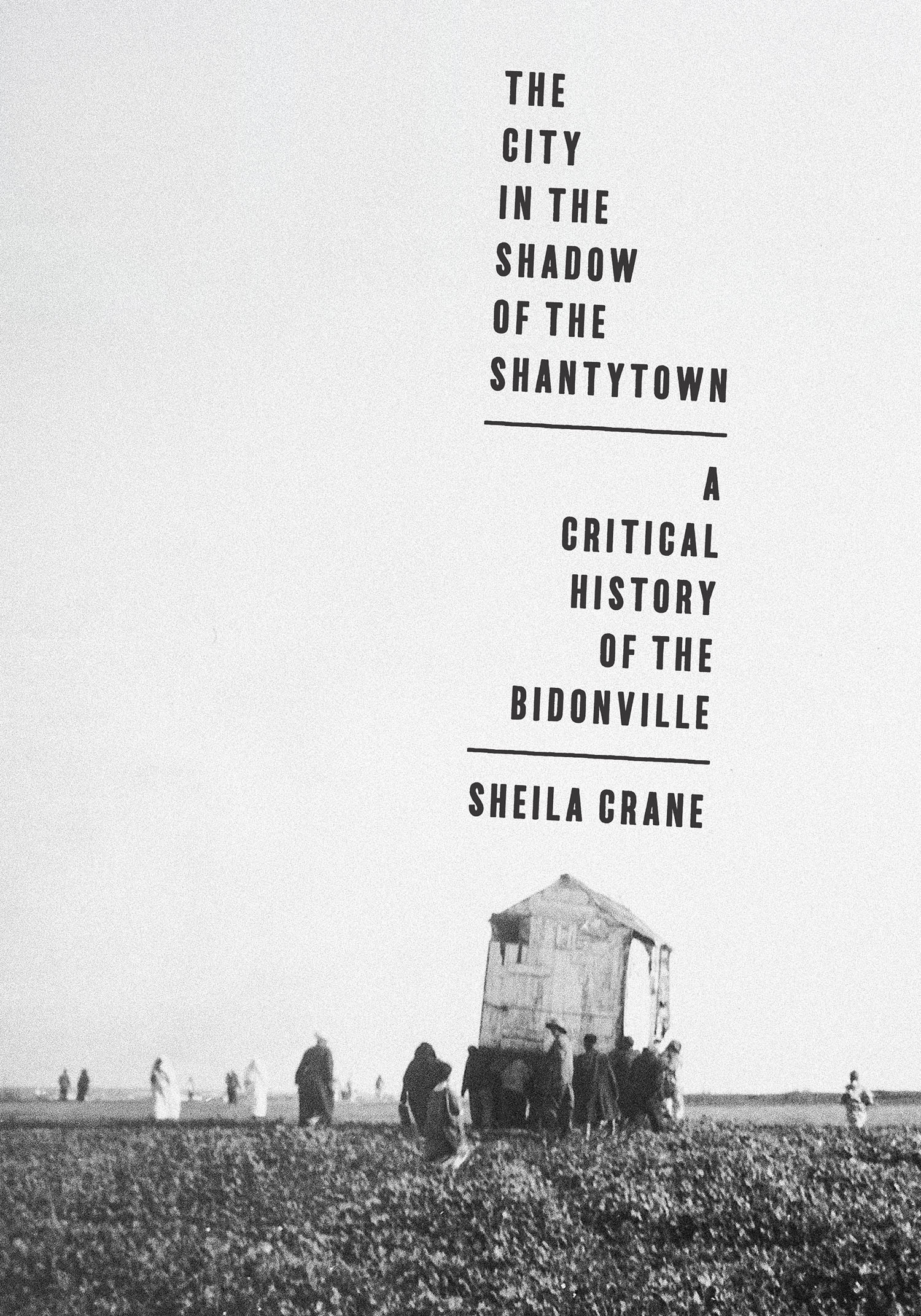
Author: Sheila Crane
October 2026
University of Pittsburgh Press
"The City in the Shadow of the Shantytown offers a deeply researched account of urban informality at the center of colonial city-making. Sheila Crane’s brilliant analysis reframes bidonvilles, or shantytowns, as politically charged urban forms embedded in the global circuits and ecological disruptions of capital. This is architectural history at its best, and a much-needed corrective to global urban studies’ longstanding dehistoricization of informality."
— Kenny Cupers, University of Basel
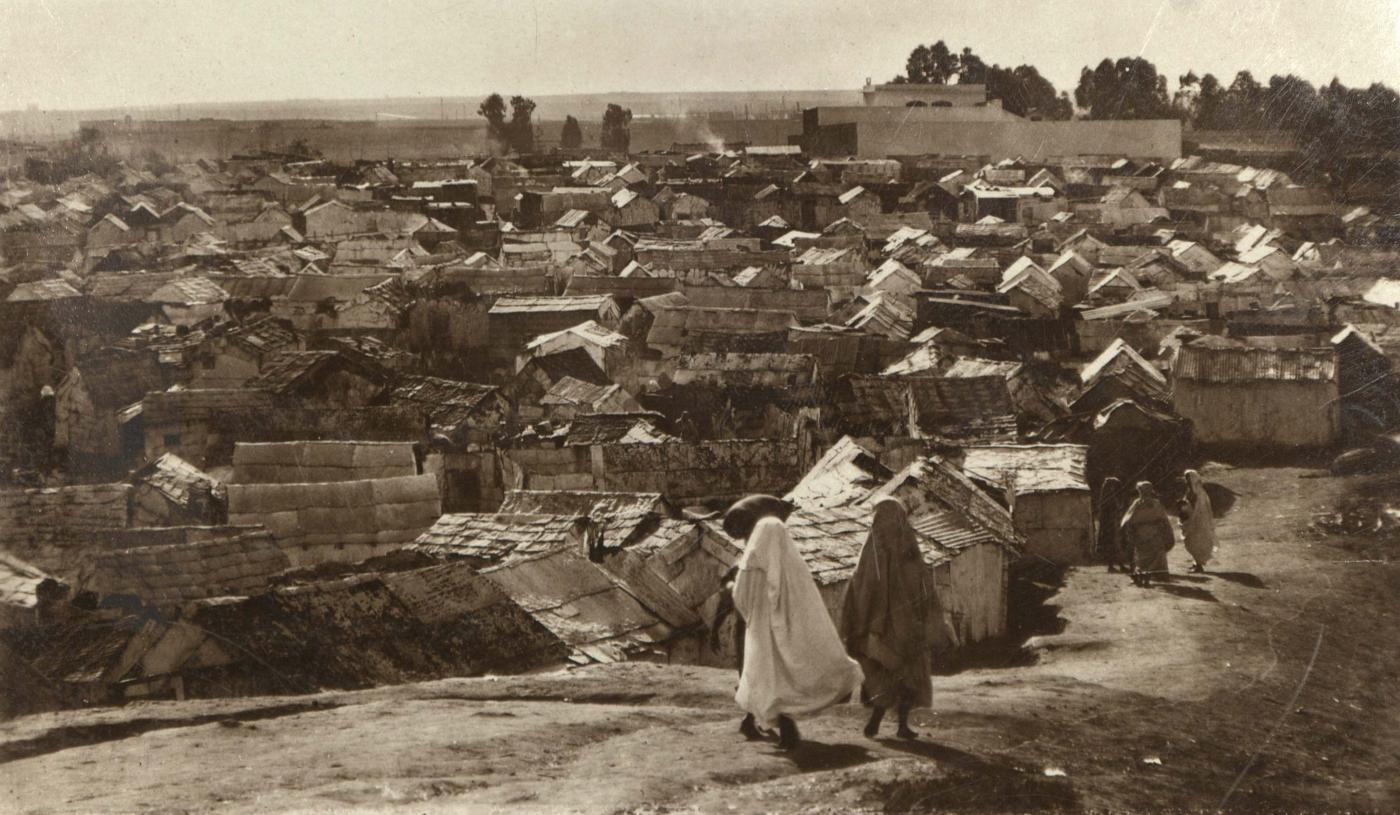
Architects, politicians, and planners have repeatedly framed shantytowns or slums as aberrant, unplanned developments that stand apart from the city proper, rather than integral components of the urban landscape with their own layered histories and often unrealized potentials. Describing a site as a bidonville––the francophone equivalent of the shantytown––positioned it as a foil to and catalyst for new architectural projects, anticipating and authorizing its targeting, control, and dispossession. In this richly illustrated study, The City in the Shadow of the Shantytown: A Critical History of the Bidonville, Sheila Crane charts the emergence of the bidonville, a term first consolidated in Casablanca following the establishment of the French Protectorate of Morocco in 1912 that was subsequently used to categorize and systematically target urban areas across Morocco, Algeria, and beyond—processes that continue to shape planning and urban landscapes today. Tracing significant episodes that extend into the post-independence period, Crane reveals how the bidonville became a potent artifact of the colonial city and a formative site for anticolonial thinking and action. Far from self-contained enclosures, sites deemed bidonvilles were shaped by dynamic human and non-human entanglements central to this book.
"Sheila Crane significantly changes the established narrative about bidonvilles in French-speaking North Africa by tracing their growth and habitation during the transformation of Ottoman land laws into French property regimes. Rather than criminalizing the bidonvillesas unplanned slums or romanticizing them with the euphemism of informal cities, she discusses these built landscapes both as an urban corollary of plantation during French colonization and as places of anti-colonial resistance. She weaves their history with the iconic but understudied housing environments, as well as the concept of autogestion and autoconstruction during the independence struggles."
— Esra Akcan, Cornell University
...
Author
Sheila Crane is professor of architectural history at the University of Virginia. She is also associate editor of the Journal of the Society of Architectural Historians for 2026–2027 and will assume the role of editor for 2028–2029.
University of Pittsburgh Press
Culture, Politics, and the Built Environment Series —
Books in this series address the intersecting relationships between the built environment and a range of cultural forces, exploring the ways buildings, cities, and landscapes impact—and are in turn shaped by—the formulation and function of deep social, economic, and political structures. They also examine the agency of the built environment as it actively helps to shape class, race, and gender identities. These books are notable for their innovative topics and approaches. The scope of the series is international and open to multidisciplinary work, but it is primarily focused on publishing spatial histories that have the potential to influence many other kinds of historical thought and writing.
The series editor is Dianne Harris, dean of the College of the Arts & Sciences at the University of Washington. From 2017-2021 she was a senior program officer at the Andrew W. Mellon Foundation. Prior to that she served as dean of the College of Humanities and as professor of history at the University of Utah.
The University of Pittsburgh Press is a publisher with distinguished lists in a wide range of scholarly and cultural fields. They publish books for general readers, scholars, and students. In an efforts to acquire the best available scholarship, the Press has focused on selected academic areas: Latin American studies, Russian and East European studies, Central Asian studies, composition and literacy studies, environmental studies, urban studies, the history of architecture and the built environment, and the history and philosophy of science, technology, and medicine. Now under the leadership of its fourth (and current) director, Peter Kracht, strategic editorial expansion has continued, and the Press has grown to publishing about seventy-five books per year.
The publication of The City in the Shadow of the Shantytown was made possible by the support of The Graham Foundation and David R. Coffin Publication Grant from UVA's Center for Cultural Landscapes.