Support from the UVA Parents Program helps architecture students build confidence and deepen their design skills
Image

During his first design studio at the UVA School of Architecture, fourth year architecture student and Jefferson Scholar Noah Stengel-Eskin gained first-hand experience in learning how architecture holds the promise to help strengthen communities. He was one of six students in his class selected to present design proposals to the Charlottesville Parks and Recreation advisory board, sharing ideas for the city’s Market Street Park.
“Presenting my project to the advisory board was an inspiring experience because it reinforced my appreciation for architecture as a medium of change,” said Stengel-Eskin. “Being able to share my architectural visions for this beautiful and culturally rich community was highly impactful.”
That early foundation studio laid the groundwork for Stengel-Eskin as he continues to embrace design methods in his advanced studio courses at UVA. Through that initial introduction, he and his peers were introduced to the importance of iteration — or the cycle of creating, testing, and refining physical and digital models to transform initial ideas into thoughtful, responsive design proposals.
Image
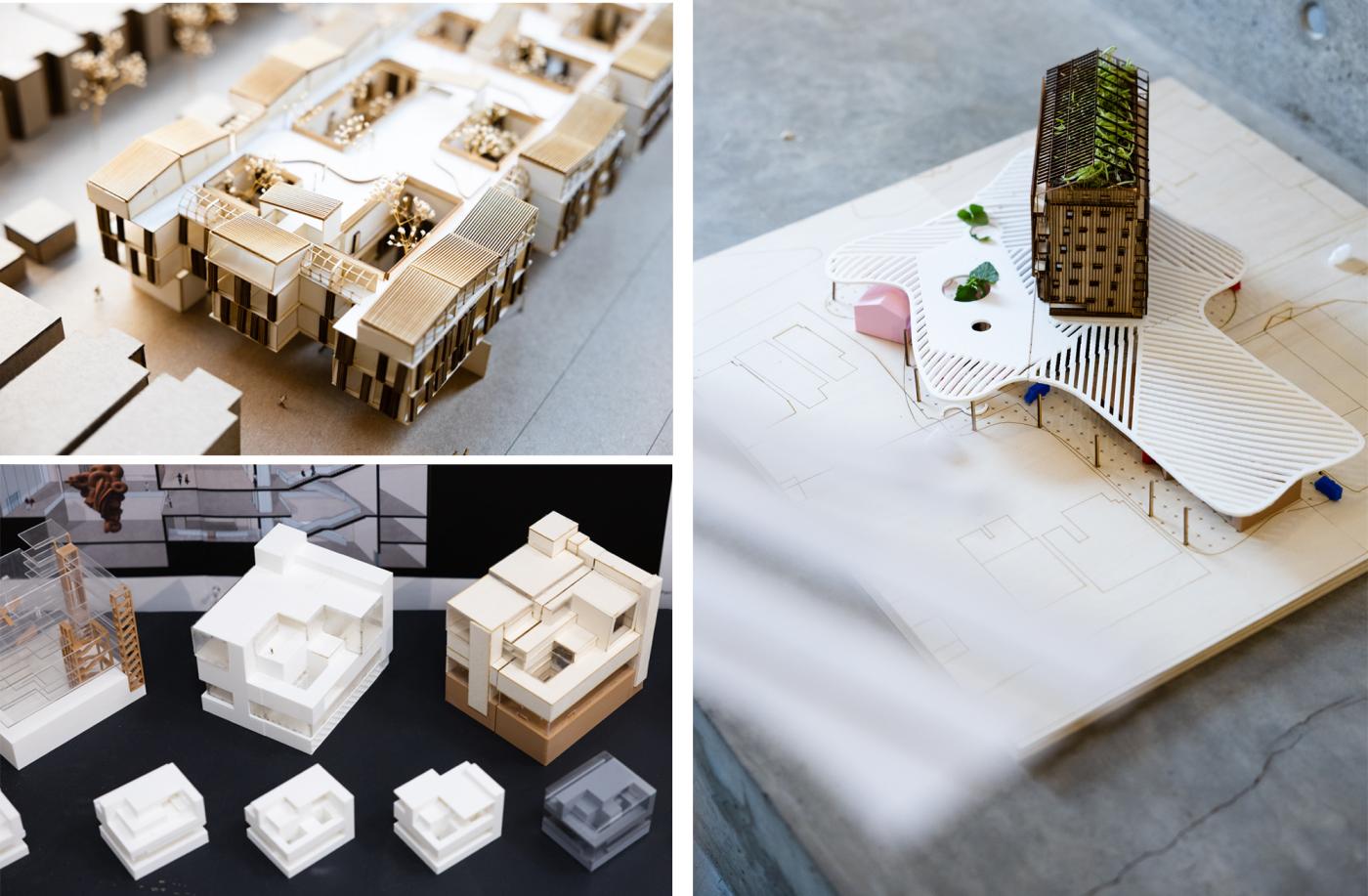
‘Iterative design’ is not always an instinctual practice for those beginning to study architecture, but it has often been thought of as a key to design success. In a studio setting, School of Architecture faculty teach students how testing their ideas, by drawing and modeling — and then redrawing and remodeling — is a form of problem solving as it uncovers the strengths and weaknesses of a design. Over time, for students, confidence is built and skills are deepened.
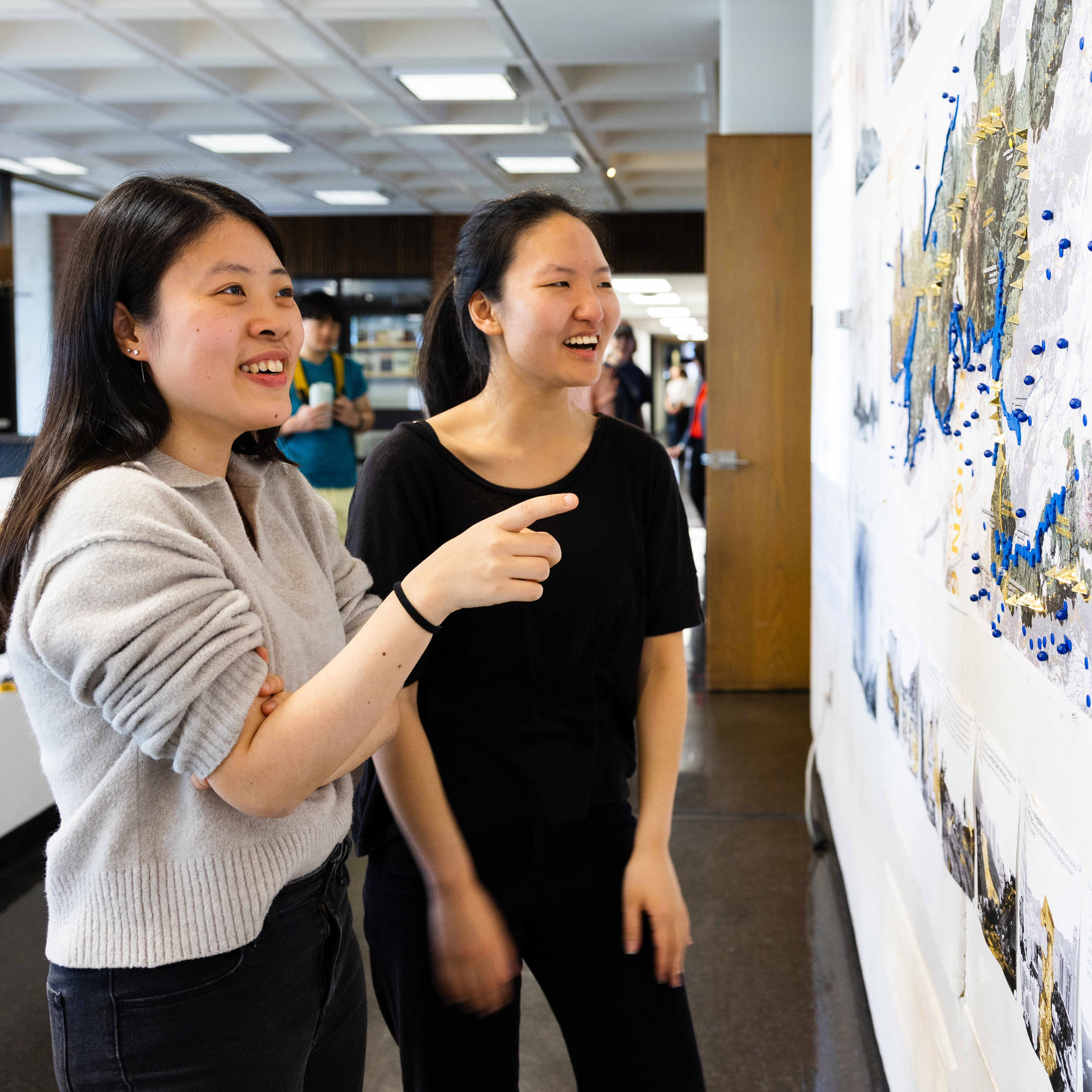
“We learn through doing in the A-School. I had a studio last semester where I made over sixty models,” said Stengel-Eskin. “Architecture is extremely rigorous—it’s art, it’s math, it’s everything combined and that shows in the models [and drawings we make].”
While an intentional iterative process can foster creativity and innovation, for many architecture students it comes with the burden of the associated cost of materials, supplies, software, and printing.
“At the School of Architecture, we seek to set up all our students up for success, regardless of financial circumstances,” said Dean Malo A. Hutson. “In the design and built environment fields, successful iteration is driven by humility. We trust in design to serve communities and want our students to have the confidence in knowing they have the means to test their ideas, through trial and error, and explore their passions.”
Acknowledging how financial constraints can limit what architecture students are able to explore, produce, and ultimately learn, last spring the UVA Parents Program generously endowed the School of Architecture’s Academic Support Fund, a high impact fund that provides immediate support to help enrich and improve the educational experience for School of Architecture students by covering typical out-of-pocket expenses, such as software, printing and specialized materials.
The Academic Support Fund grew out of an initial seed funding initiative that awarded the Adobe Creative Cloud software license to students with demonstrated need. By endowing the fund with a $250K grant, the Parents Program directed by the UVA Parents Council, has helped to double the impact in terms of the number of students served and aided in enriching the academic experience for students.
“The opportunity for the School of Architecture to provide meaningful support was profound. This partnership represented far more than financial assistance—it offered the potential to change the trajectory of a student’s life and ultimately create a lasting impact within a community,” said Earl Granger III (PAR ’27), UVA Parents Council Co-Chair. “Recognizing the significance of this opportunity, the Parents Council was eager to support the partnership and help create a meaningful pathway to student success. By investing in access, opportunity, and achievement, the Council could help ensure that talented students have the resources and support necessary to realize their full potential.”
Image
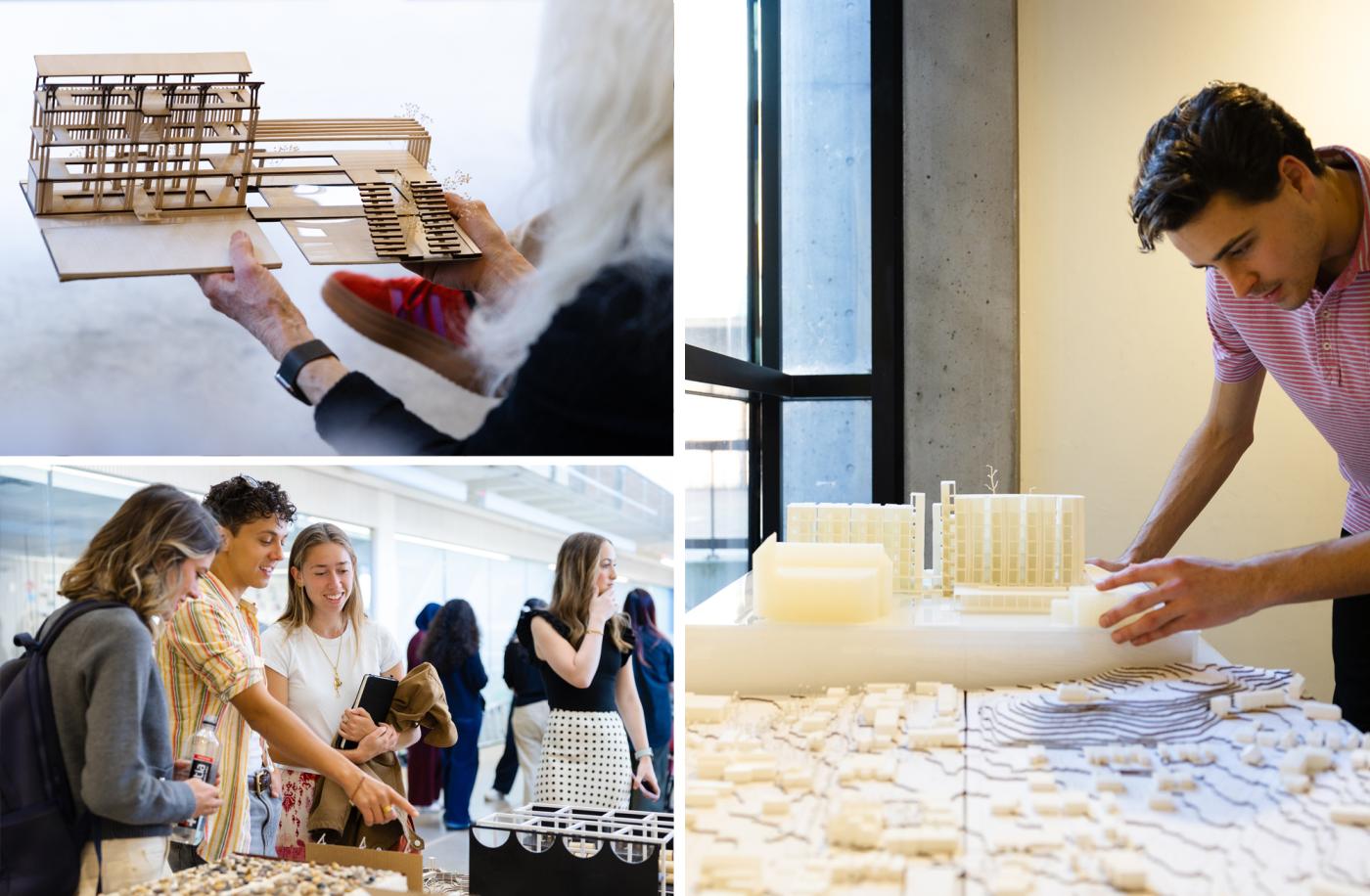
Stengel-Eskin is just one of many students for whom the Academic Support Fund has provided essential resources to not only study what they love but also invest in their education—and future careers—without restraint.
From his early interest in the field, to now serving as a student ambassador who helps inspire prospective students to follow their own paths toward architecture and design, Stengel-Eskin continues to pursue his goals, thanks in part to the Academic Support Fund.
“If you have a 3.6 GPA and your portfolio doesn’t look as good because you couldn’t buy the materials to make a good model, or you couldn’t get the feedback you needed because you couldn’t afford printing costs, you might not be able to make the impact that you originally wanted to. I’m so thankful for the support I’ve received. Ultimately, I want architecture—which is such a community-focused discipline—to also be a discipline that is accessible to everyone.”