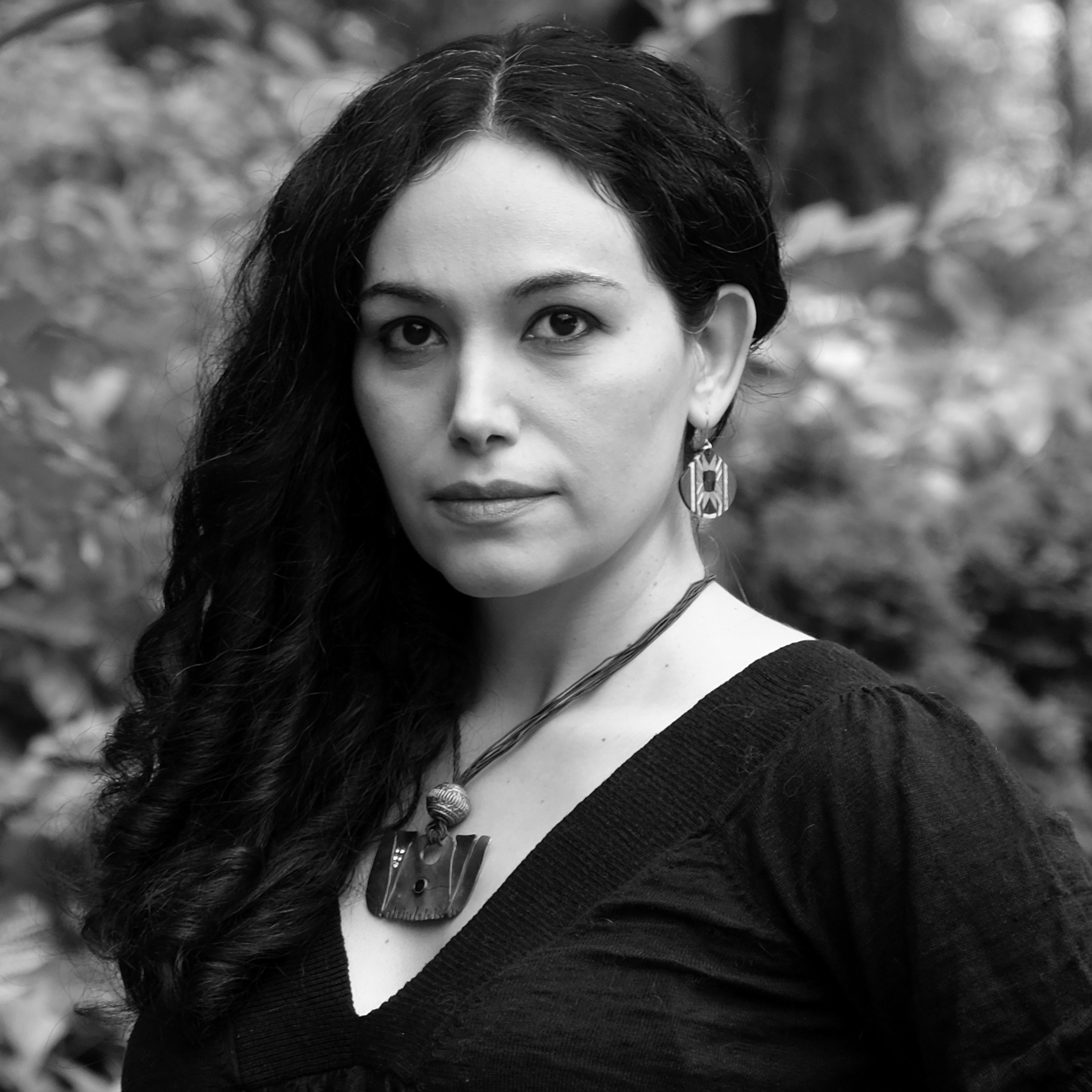
Ghazal Jafari
Education
Harvard Graduate School of Design (GSD), Doctor of Design (DDes)
University of Toronto, Master of Urban Design (MUD)
Shahid Beheshti University (Tehran), Bachelor of Architecture (BArch)
Biography
Dr. Ghazal Jafari is an environmental justice scholar, ecological urbanist, and weaver of Persian and Azeri descent. Her creative work and scholarship intersect multispecies environmental justice, non-Western landscape epistemologies, feminist liberation, Infrastructural geographies, displacements, and political self-determination in conflict zones and constructed peripheries. Her current book project investigates the clash between landscapes of coercion and ecologies of survival in Iran-Iraq borderlands.
Ghazal has been an Aga Khan doctoral fellow and a research fellow at the Weatherhead Center for International Affairs at Harvard University. She has received multiple design competition awards and recognitions, including the One Prize Award: Water as the Sixth Borough first prize (2011), Azure Magazine’s Annual Award (2012), YUL/MTL: Moving Landscapes Competition honorable mention (2011), and 6970 - The Spaces in Between Competition honorable mention (2013).
She currently teaches courses related to urban design, environmental planning, and representational politics. Ghazal’s multidimensional work and teaching show a long-term commitment to cross-cultural dialogue and active solidarity on shared matters of justice and self-determination.
Research Interests
Urban Design, Environmental justice, urban equity, infrastructural ecologies, landscape, Indigenous epistemologies, geopolitics, conflict zones, spaces of resistance, art, cultural heritage, more than human worlds, political self-determination
Current Courses:
PLAC 5820_Environmental Planning & Design (Urban Ecologies)
PLAC 5822_Plant Cultures and Ecologies (A Flora of the Future)
PLAN 6013_Communication and Planning Analysis (Selected Discourses and Applied Skills in Critical Cartography, Site Analysis, and Politics of Space)
Previous courses:
PLAN 5610_Neighborhood Planning Studio (Urban Repair in Richmond between Histories of Racial Marginalization and Climate Change)
PLAN 3500_Introduction to Urban Design (Selected Topics in Urban Ecologies, Economies, and Infrastructural Interdependencies)
PLAN 5500_Rivers of Conflict
LAR 7010_Landscape Design Studio III (Ecologies of Justice)
LAR 8102_Design Research Methods
LAR 7500_Race and Space
LAR 7010_Landscape Design Studio III (Landscapes of Lingering and Conviviality)
ALAR 8020_Research Studio (Northern Virginia’s Future Urban Corridor)
ALAR 8100_Thesis I
SARC 6100_Urbanizing Worlds