Arctic Design Group Named Winner of ArchDaily's 2026 Next Practices Award

On September 15, ArchDaily announced the winners of the 2026 Next Practices Awards, recognizing 20 emerging and forward-thinking practices expanding the possibilities of architecture today. The UVA School of Architecture is proud to announced that Arctic Design Group, co-founded and co-directed by Leena Cho (Associate Professor of Landscape Architecture) and Matthew Jull (Professor of Architecture) was selected to receive this honor that "look[s] beyond conventional definitions of the profession to identify the people, ideas, and methodologies driving the discipline."
Chistele Harrouk for ArchDaily wrote, "The 2026 edition is our strongest and most globally representative to date, bringing together different approaches, scales, and contexts that broaden our understanding of how and by whom architecture is being practiced....Drawing from engineering, ecology, digital fabrication, material research, vernacular and Indigenous knowledge, advocacy, and critical research, these practices reflect what is "next": the capacity to respond to specific conditions and actively shape the world around them."
ArchDaily 2026 Next Practices Award Winner
Arctic Design Group
Image
About Arctic Design Group:
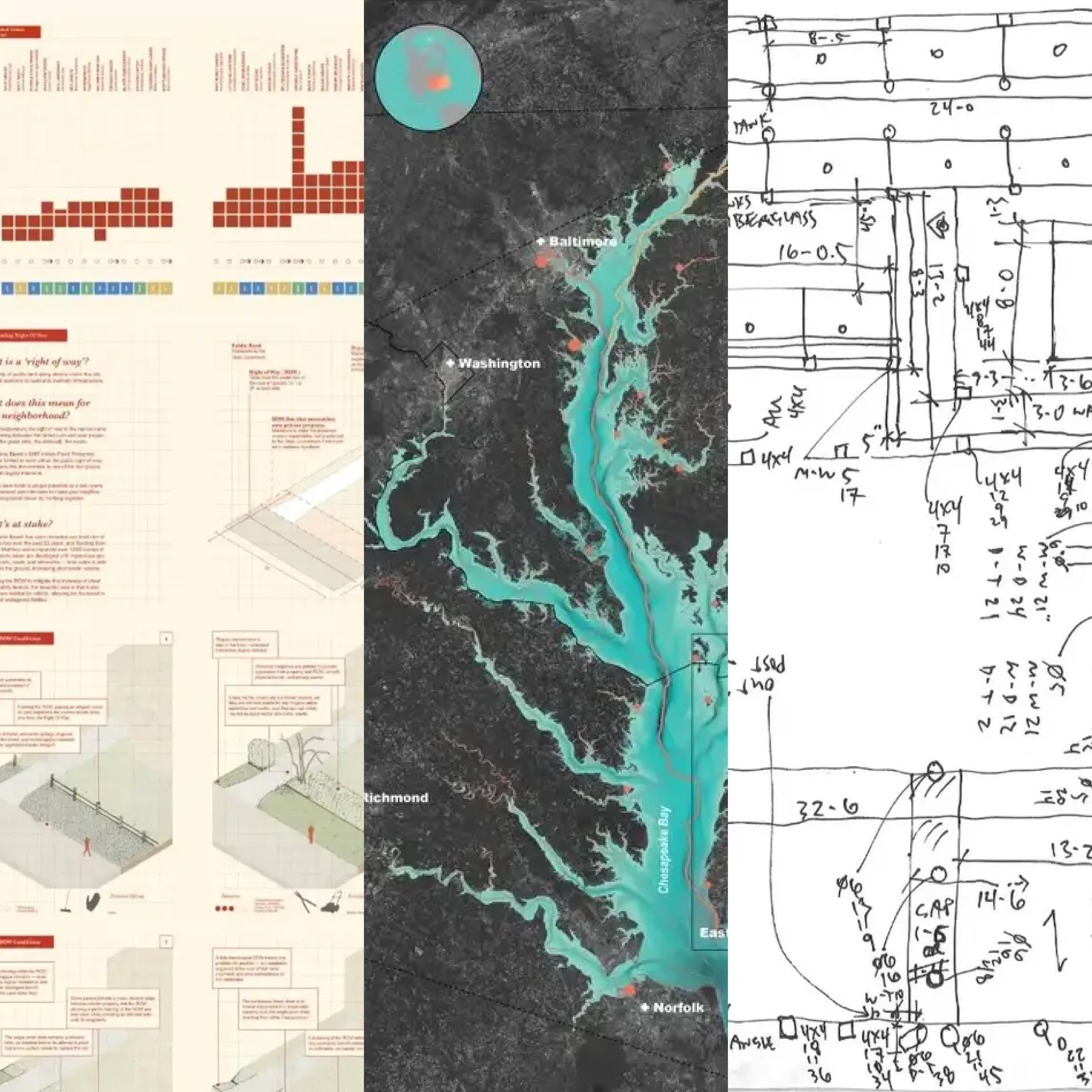
Arctic Design Group (ADG) investigates how architecture, landscape, and planning can respond to the rapidly changing realities of Arctic and sub-Arctic settlements. Based at the University of Virginia and working with communities and research partners, the design research lab examines environmental change, infrastructure, urban development, permafrost degradation, land management, and adaptation across northern territories. Its interdisciplinary approach brings architecture and landscape architecture into dialogue with environmental science, engineering, planning, humanities, and community knowledge, combining geospatial analysis, environmental monitoring, and field experiments with design proposals and planning frameworks. Treating design research as a method for integrating different forms of knowledge and testing spatial possibilities, Arctic Design Group develops approaches to architecture and urbanism grounded in the complex conditions of a changing Arctic.
Image
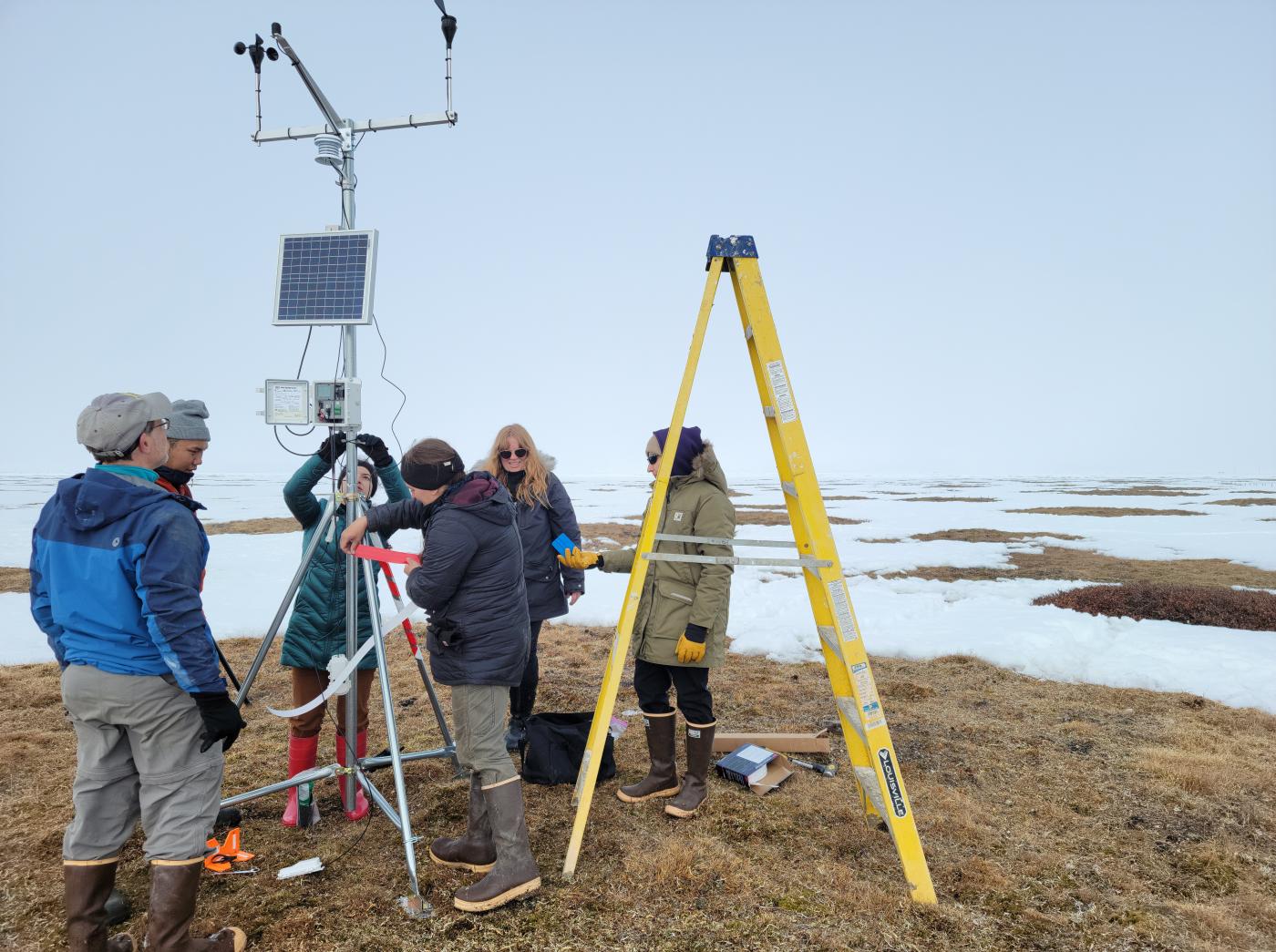
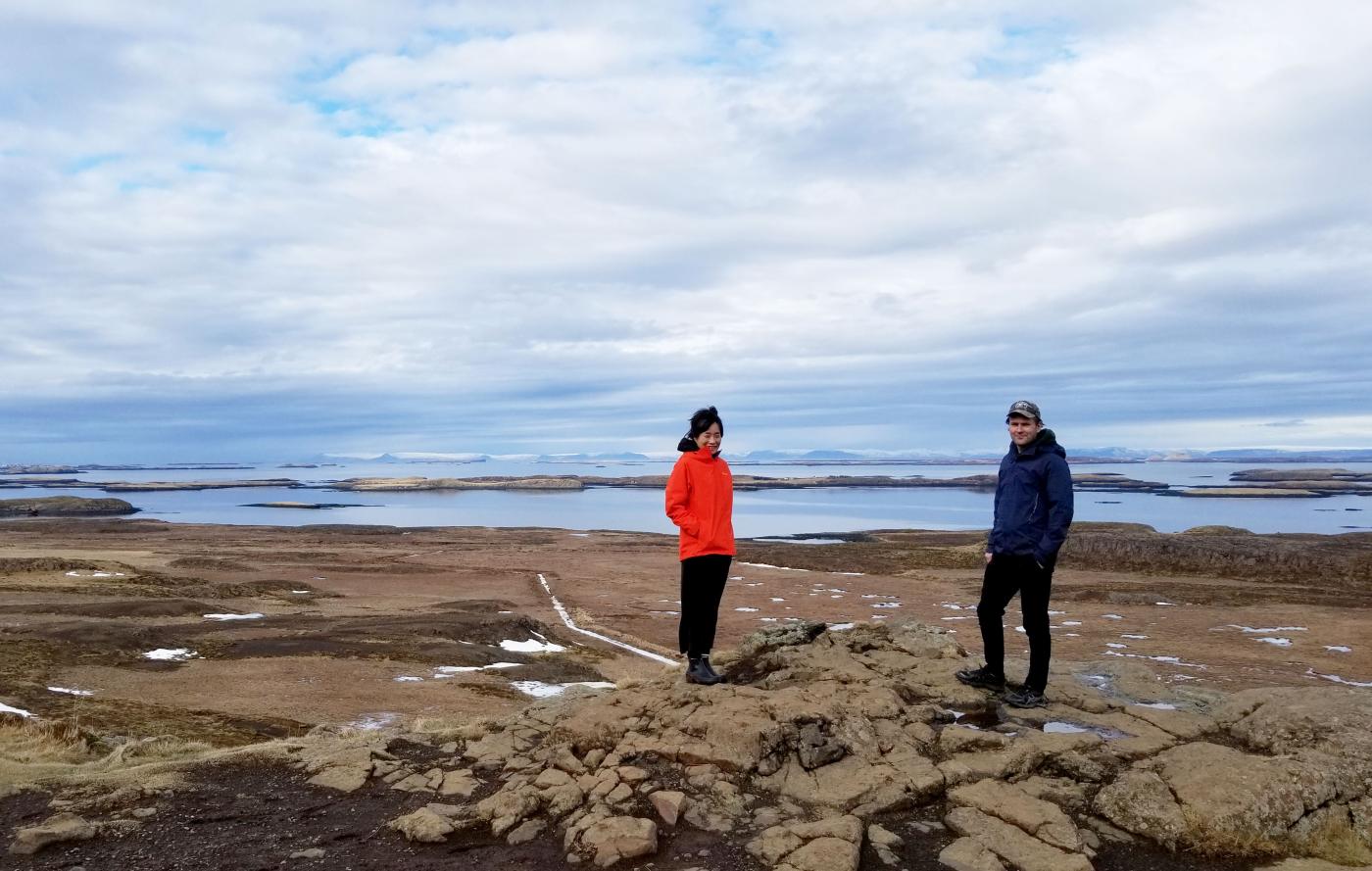
Founded in 2013 by landscape architect Leena Cho and architect and geophysicist Matthew Jull, a central part of ADG’s work is sustained engagement with Arctic communities and environments through repeated fieldwork, long-term partnerships, and design studios. This continuity allows the group to study environmental and infrastructural change over time and to develop research in direct relation to evolving local conditions. ADG works through an interdisciplinary model in which research, design, community partnership, and implementation inform one another. The work operates across scales, from ground conditions and building systems to infrastructure networks, settlements, and regional territories, with an emphasis on translating analytical research into spatial and material propositions informed by environmental conditions, local practices, and long-term patterns of use and maintenance.
Image
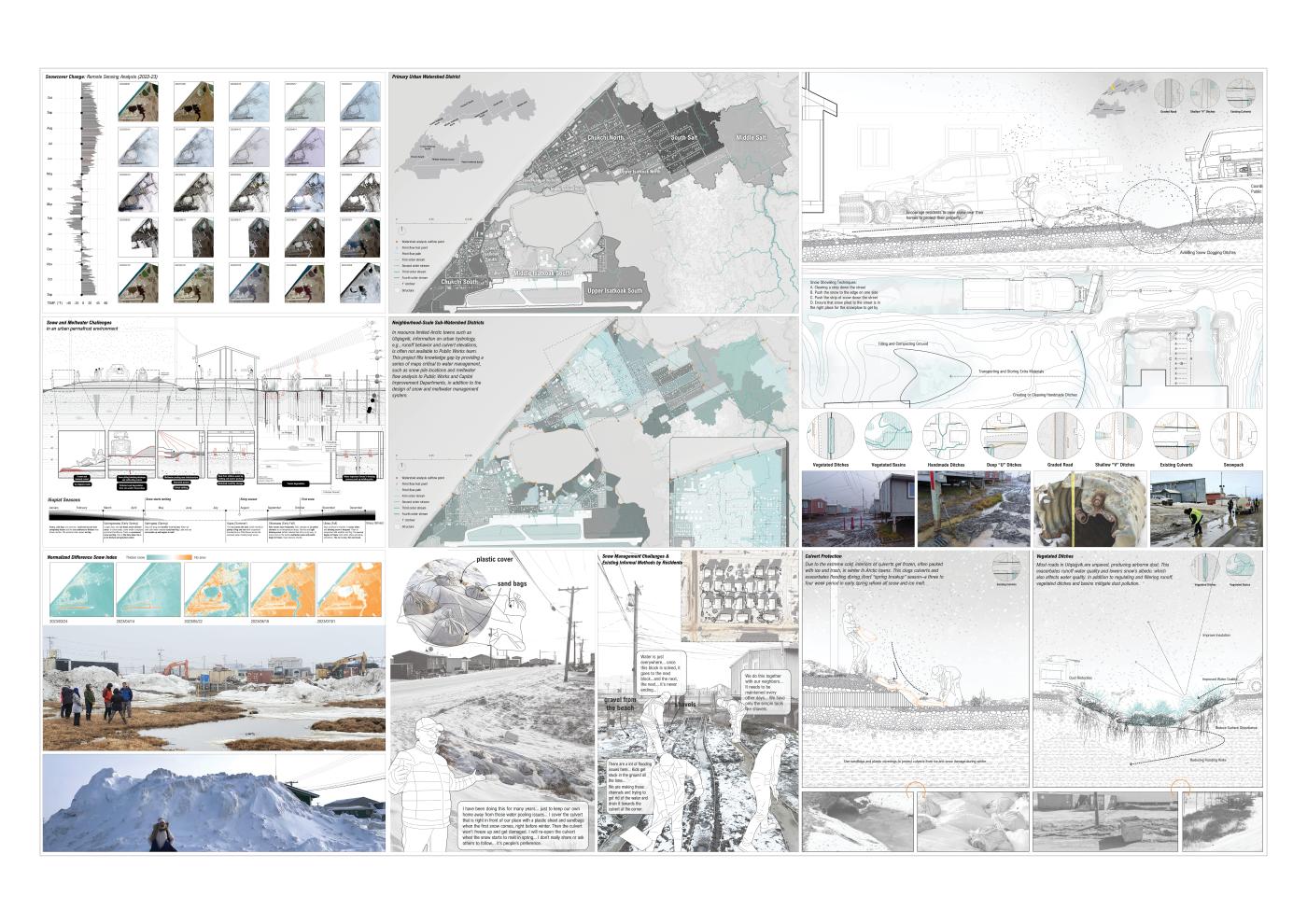
Much of this work is carried out through major collaborative research awards funded by the U.S. National Science Foundation, U.S. Environmental Protection Agency, UVA Environmental Institute, and other institutions. Current NSF-supported work includes both the Integrated Sensor Network in Utqiaġvik and Arctic Cities: Measuring Urban Sustainability in Transition (MUST), extending ADG’s research across multiple northern cities and regions. Additional support has come from the U.S. Embassy in Reykjavik, Anchorage Museum, Rotch Foundation, Graham Foundation, and other public and private institutions.
|
Image
|
Image
|
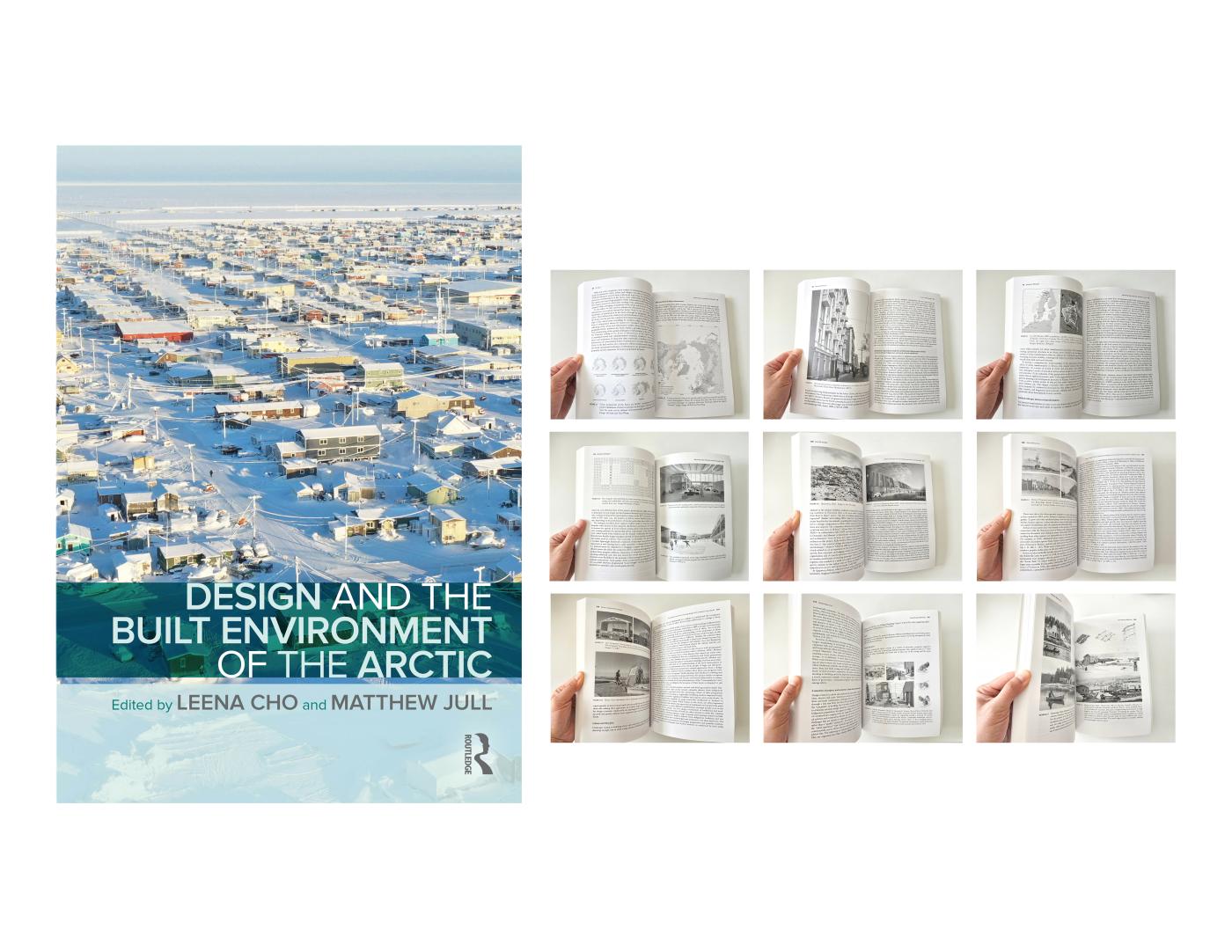
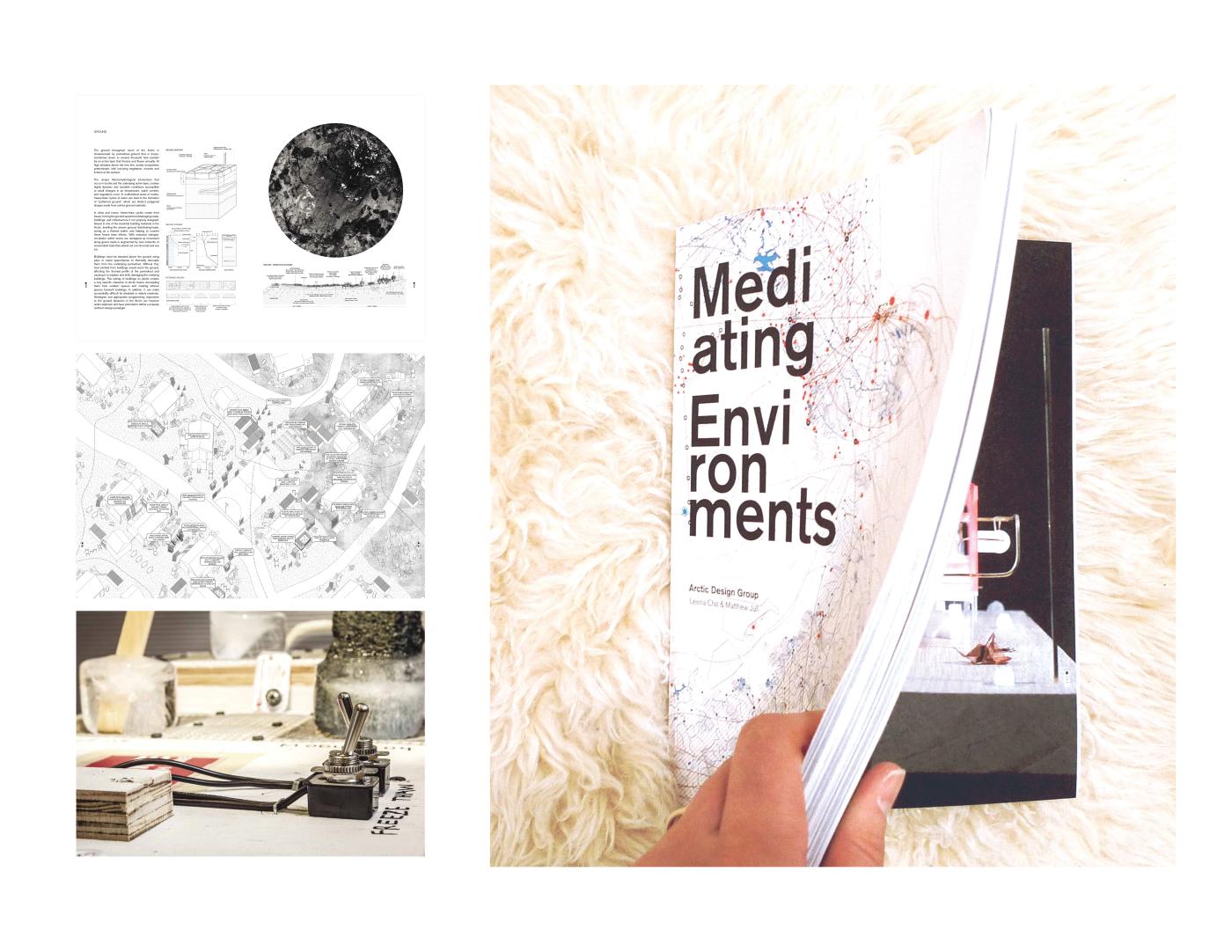
ADG’s work has been published and exhibited internationally, including at the Museum of Modern Art in New York, the Smithsonian National Museum of American History, Anchorage Museum, and the Venice Architecture Biennale. Cho and Jull have also authored and edited the books Design of the Built Environment in the Arctic (Routledge, 2024) and Mediating Environments (Applied Research + Design, 2019).
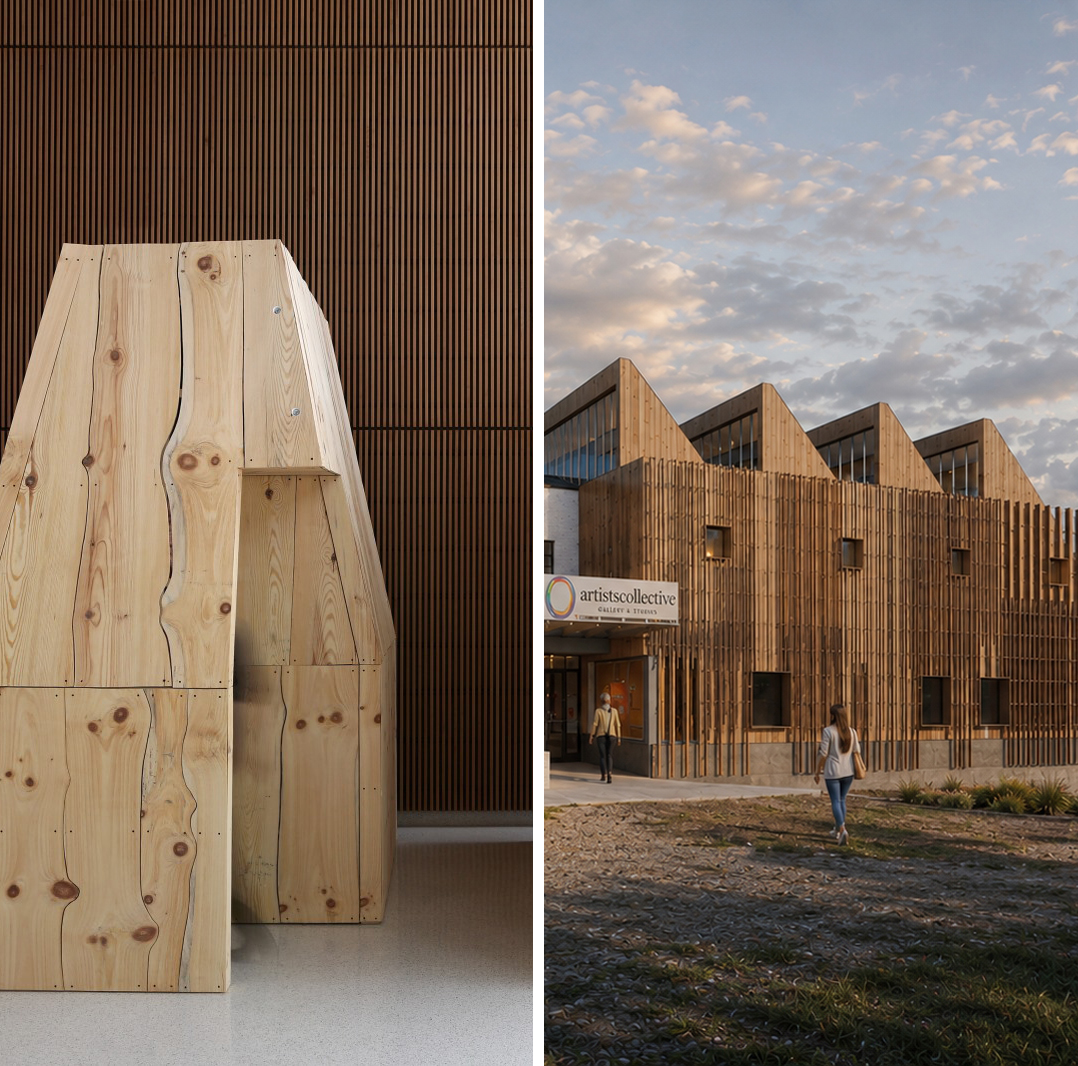
For more than a decade, ADG has led Permafrost Futures, a traveling design studio that brings graduate and undergraduate architecture and landscape architecture students into Arctic communities and active research environments. Students use field observation, environmental sensing, mapping, and in-situ experiments while working with local partners to develop design propositions in response to changing northern conditions.
Image
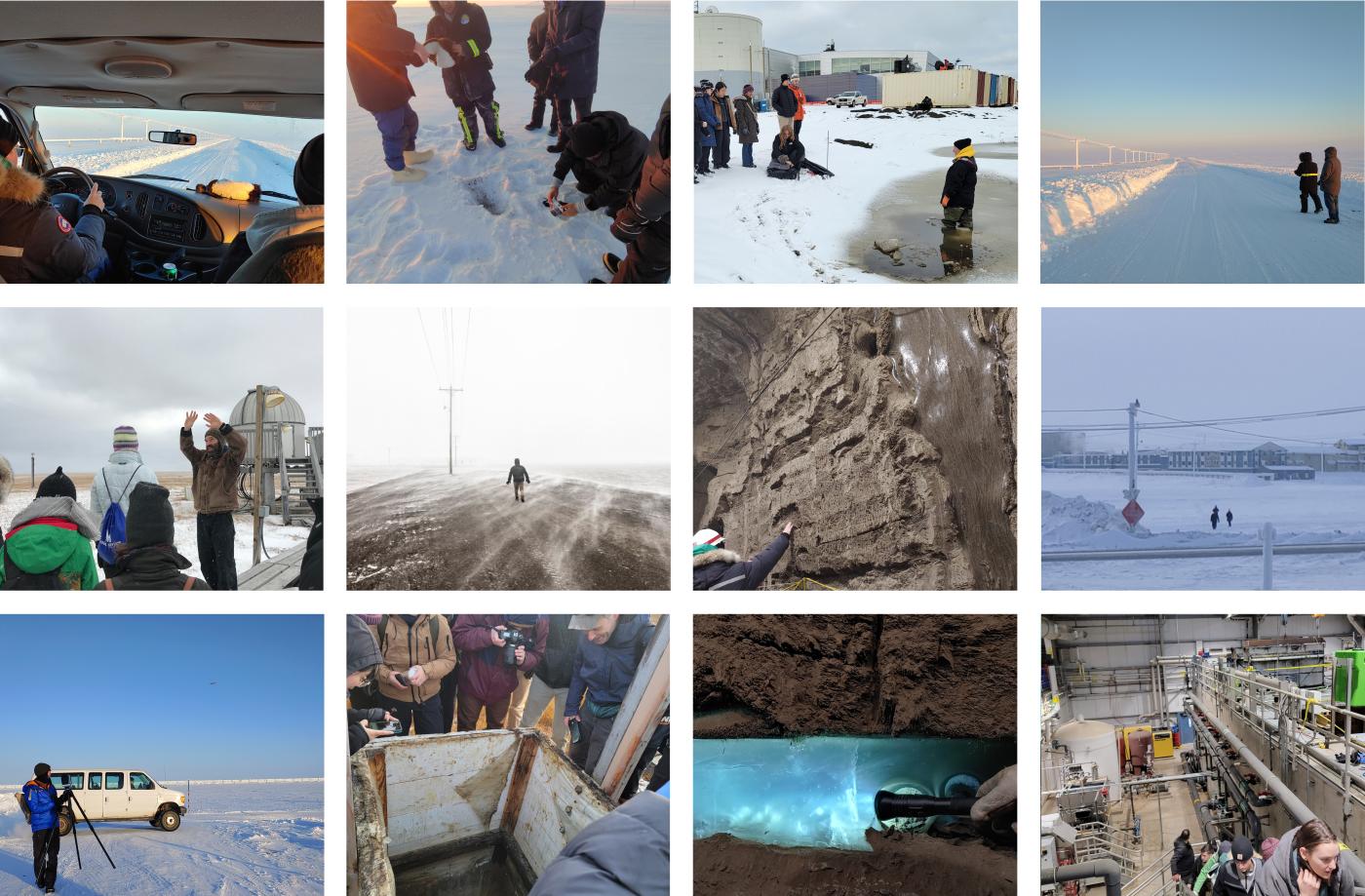
Across its research and teaching, ADG approaches the Arctic not as an isolated or exceptional territory, but as a region where the relationships among climate, ground, infrastructure, governance, and everyday life are especially visible. The intensity of seasonal environmental cycles, together with rapid climate change, makes the Arctic a demanding context for design. While these conditions are specific to the North, the approaches developed through this work have relevance to settlements at lower latitudes that are also confronting increasing environmental variability and instability.
ArchDaily 2026 Next Practices Awards Jury
Nicolas Fayad and Charles Kettaneh, Founders of EAST Architecture Studio
Susana Rojas Saviñón, Co-Founder of Estudio Ome
Javier Ors Ausín, Director of Thematic Programs at the World Monuments Fund
Sumayya Vally, Founder of Counterspace
Oanh Nguyen Henriksen, Partner at Dorte Mandrup