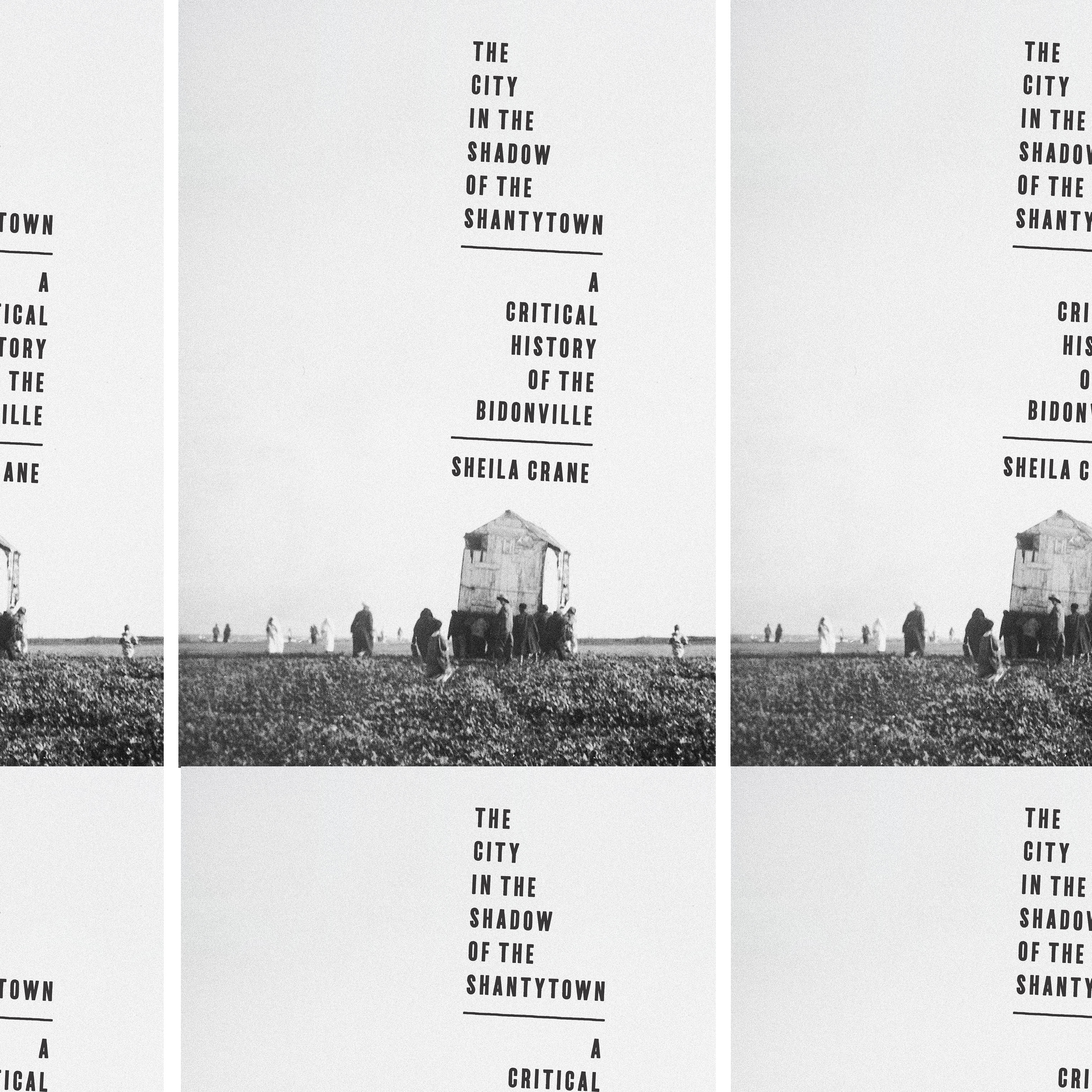

Newly Released: Exclusions, Edges, Ecologies—An Architecture ...
Image
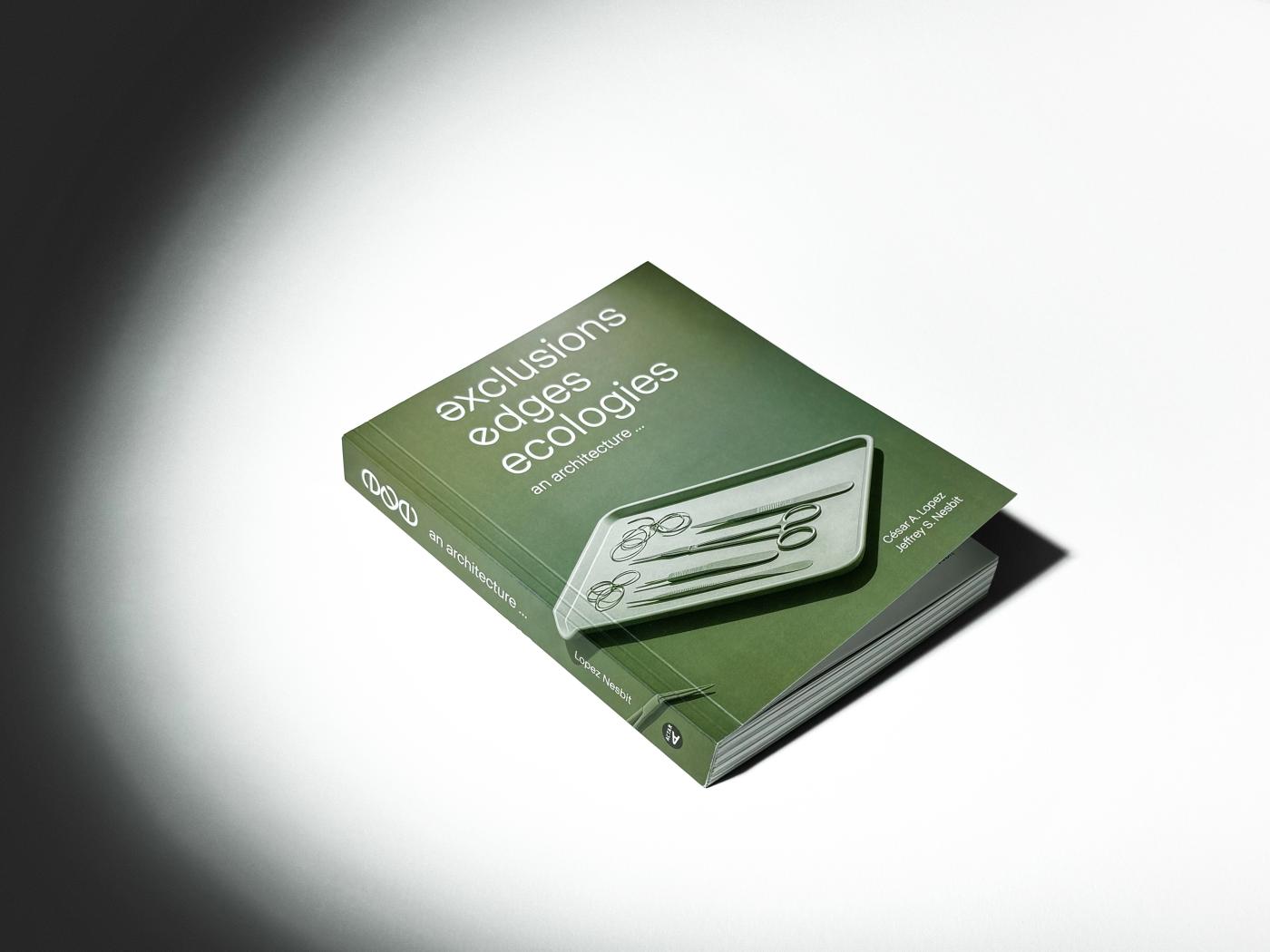
Authors: César A. Lopez & Jeffrey S. Nesbit
September 2026
Actar Publishers
This book isolates and dissects long-overlooked architectural typologies to unveil political aesthetics and protocols along geographic boundaries shaping contemporary society.
THE OTHER ARCHITECTURE
|
Image
|
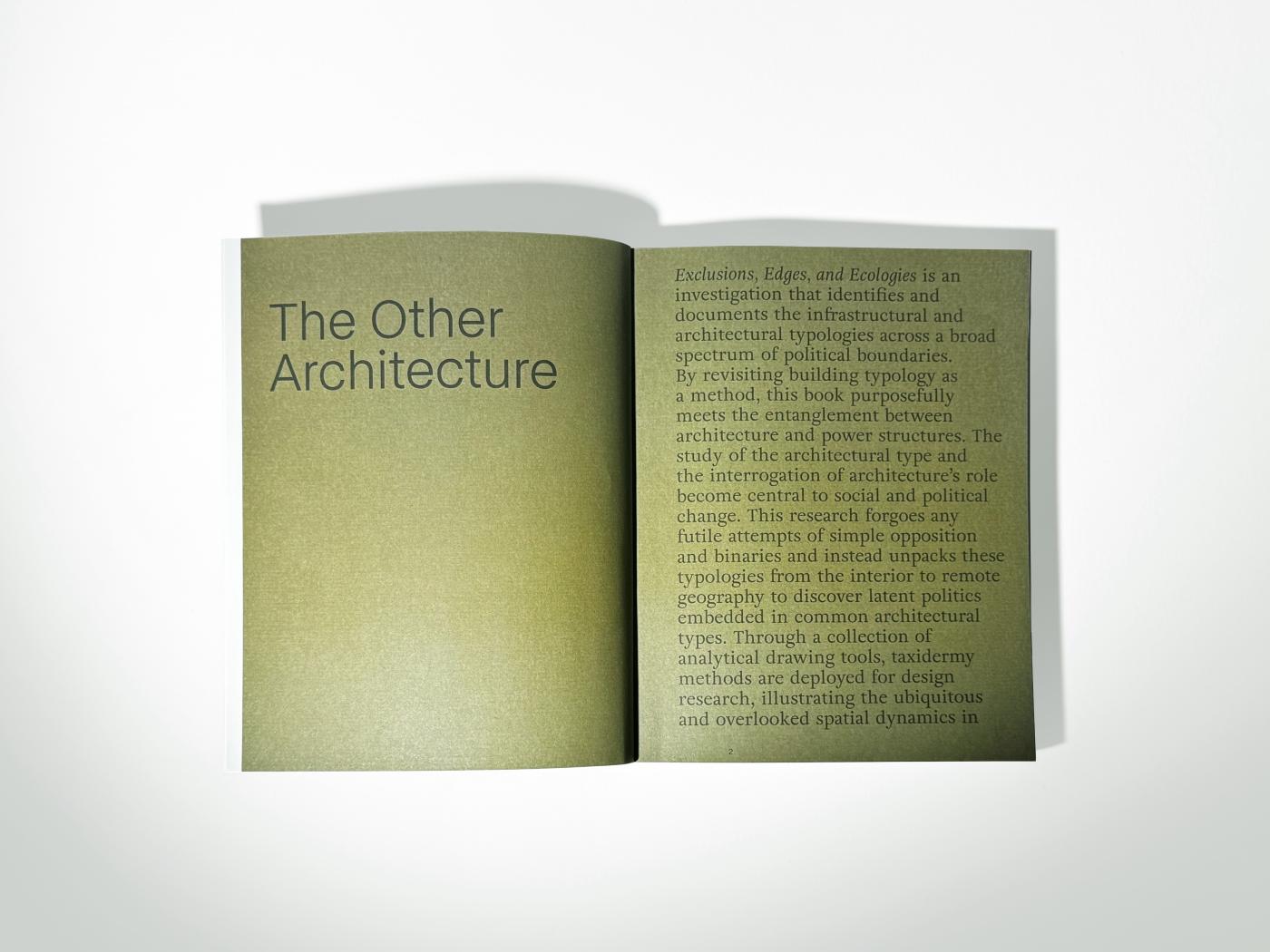
Exclusions, Edges, and Ecologies is an investigation that identifies and documents the infrastructural and architectural typologies across a broad spectrum of political boundaries. By revisiting building typology as a method, this book purposefully meets the entanglement between architecture and power structures. The study of the architectural type and the interrogation of architecture's role become central to social and political change. This research forgoes any futile attempts of simple opposition and binaries and instead unpacks these typologies from the interior to remote geography to discover latent politics embedded in common architectural types. Through a collection of analytical drawing tools, taxidermy methods are deployed for design research, illustrating the ubiquitous and overlooked spatial dynamics in architecture. In doing so, new forms of imagination emerge from several of the most dismissed architectural spaces at the blurry boundaries of exclusion, edges, and ecologies.
While we have allowed architecture to embody us and mold our daily lives and habits, it is an increasing concern that its spatial optics cause tension between the order imposed and human agency, particularly at such conflicted and malleable edges. The pressure has led to building and infrastructural typologies that sort populations and shape environments. The role of architecture is now relegated to establishing limits that serve politics, security, and the economy. Such agendas in architectural practice suppress the public sphere with inclusion and exclusion dynamics. Yet it is no surprise that, despite concern or opposition, we regularly abide by, and in some cases unconsciously contribute to, its reach in our lives. Only to make ourselves more and more vulnerable.
The built environment is a potent political tool that must be accountable for various forms of power it enables. Along with staging territorial space or border politics as a frame for critique, the architectural spaces at the edges of exclusive boundaries and ecologies tend to drive a fundamental overlap as a more active participant in space production. By exploring the evolution of architecture along the infrastructural edge, spatial typologies express transformations in how the world is viewed—beyond the architectural tropes to a blended form of imagination and power.
|
Image
|
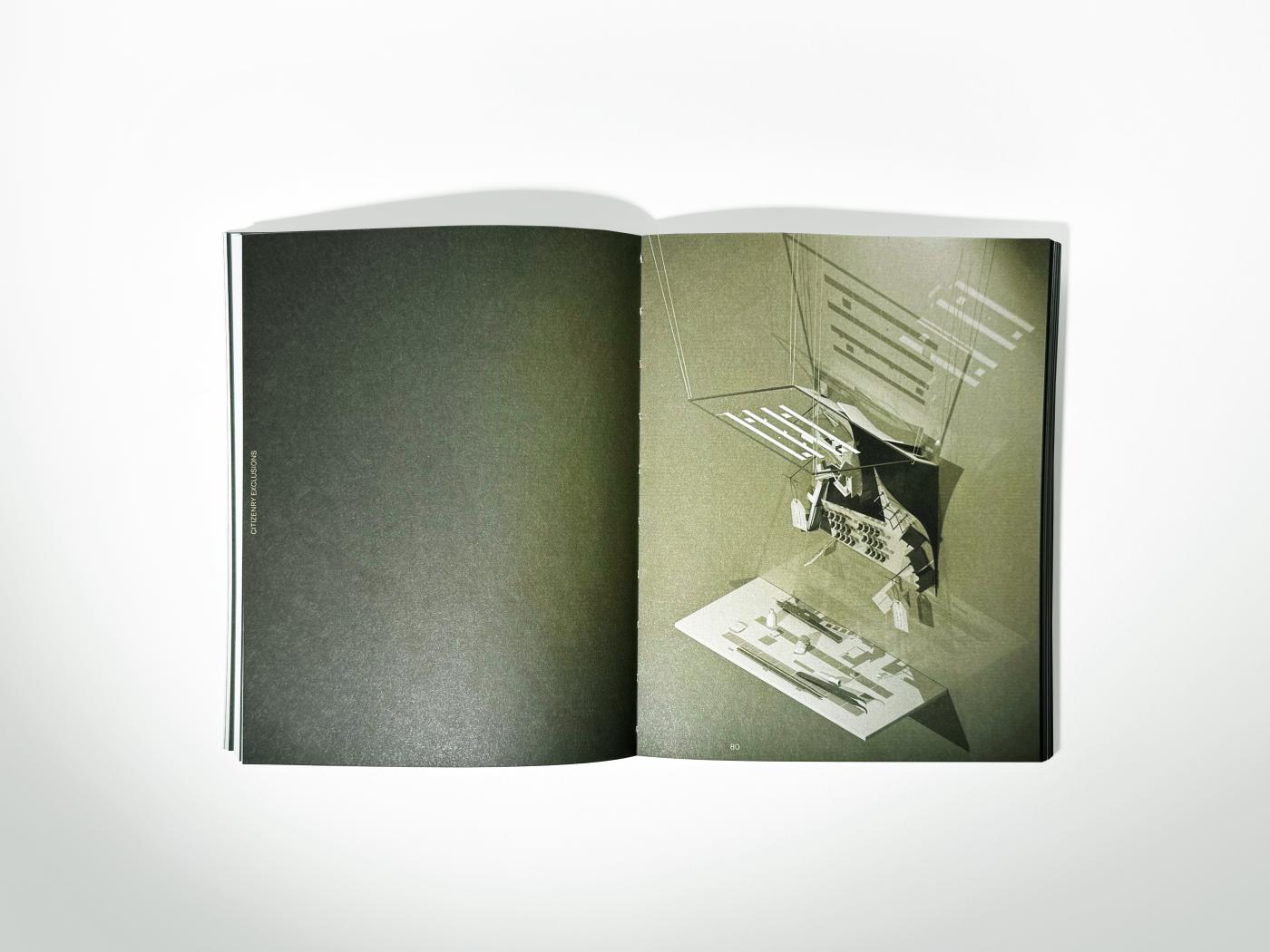
CITIZENRY exclusions
The spatial dynamics of citizenry do not exist at the threshold of political boundary but are enclosed in the dispersed and entangled ubiquitous architectural interior.
CE01: The border is more than a line on a map
CE02: Legal status is the border that shapes us
CE03: The border is a constellation
URBANIZED edges
The ever-encroaching periphery of urbanization is perpetuated by repeated municipal facades, unlimited networks for distribution, and the rise of suburban capital.
UE01: Publicness is fleeting
UE02: Municipal facades are not benign
UE03: Cities don't really matter
PLANETARY ecologies
The expanded visions for departing Earth inhabit vast geographies marked by nominal and discrete architectural objects in the remote landscape.
PE01: Territory is made of discrete objects
PE02: The space complex as an aesthetic
PE03: Departures from Earth are borders too
Exclusions, Edges, and Ecologies: An Architecture ...
Book Talk
Friday, November 13, 2026
12pm
Campbell Van Lengen Lobby
Event Details
...
About the Authors
César A. Lopez is a first-generation Mexican American architectural designer, researcher, and educator who draws on his upbringing in the Mexico-United States Border Region as critical knowledge to explore the entanglements between architecture, territory, and the politics that dictate them. He is an Assistant Professor at the University of Virginia School of Architecture. He co-directs FRONTERA-NATION with Germán Pallares-Avitia, a design, research, and advocacy practice that re-frames political borders as a constellation of sites and identities.
Jeffrey S. Nesbit is an architect, urbanist, and founding director of the research group Grounding Design. His experience spanning almost twenty years includes leading design teams for public architecture and large-scale urban projects, along with managing sponsored design research projects for city governments, local institutions, and NGOs. Nesbit’s research focuses on processes of urbanization, infrastructure, and the evolution of "technical lands." His current research projects explore the architecture and infrastructure of planetary ports, the American rocket launch complex, and distant sites at the ends of the world. He is an Associate Professor and Director of Graduate Studies in the Tyler School of Art and Architecture at Temple University.